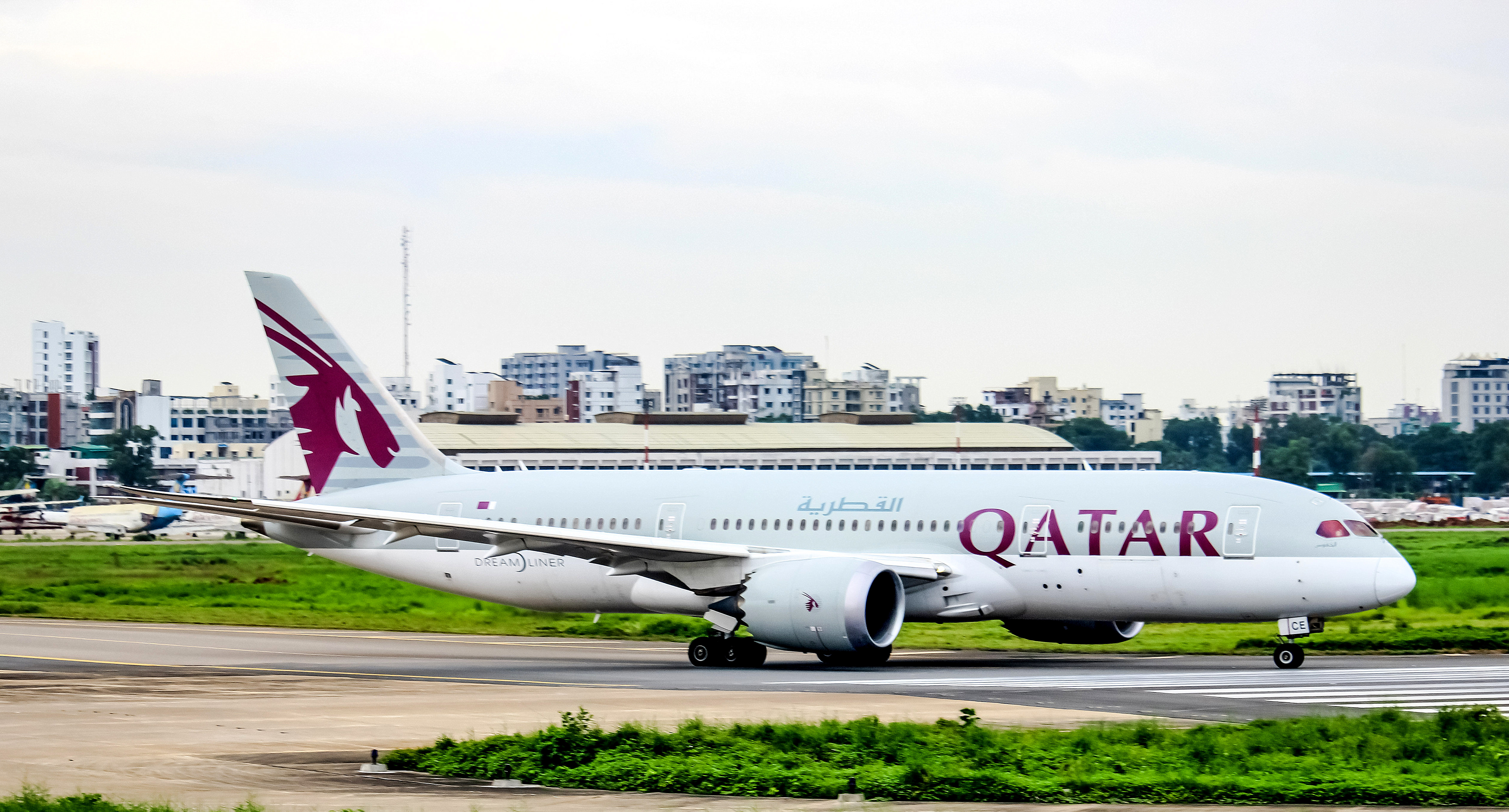
Boeing's North Charleston Dreamliner factory is getting more jet engines, but not enough to hit the planemaker's production targets for 2026.
GE Aerospace said it delivered more than 50 GEnX engines to the North Charleston-based wide-body plant last quarter, the Post and Courier reported. GE Aerospace CEO Larry Culp called the figure a "sequential increase" over the previous three months.
Boeing is aiming to build 10 Dreamliners a month by the end of the year, up from eight. The company wants to eventually reach 14 every four weeks. But Boeing CEO Kelly Ortberg has said multiple times this year that the current engine delivery pace would not support the company's 787 production goals for 2026, according to the Post and Courier.
The bottleneck matters locally. Boeing is in the middle of a roughly $1 billion expansion of its North Charleston site, according to Simple Flying. The project includes a new final assembly building similar in size to the existing 1.2-million-square-foot plant, along with a parts preparation area and upgraded interior component section. Boeing anticipates adding about 1,000 new jobs over the next five years as part of the expansion, according to the Post and Courier's Berkeley Independent.
Britain's Rolls-Royce is the only other 787 engine supplier, but the majority of Dreamliner buyers are leaning toward GE Aerospace, the Post and Courier reported.
Boeing delivered 62 Dreamliners in the first nine months of 2026, according to Simple Flying. That breaks down to 15 in the first quarter, 25 in the second quarter and 22 in the third quarter. The company delivered about seven per month in 2025.
Trident Technical College expanded its role in training Boeing's North Charleston production and maintenance workforce under a five-year partnership that began Jan. 1, 2026. Under that agreement, Trident Tech leads onboarding and recertification training for assemblers and inspectors who work on the 787 program.
Ingevity rings NYSE bell
Across town, North Charleston chemical maker Ingevity Corp. hit a different kind of milestone.
CEO David Li rang the New York Stock Exchange closing bell on Monday, Oct. 26, to mark the company's 10th anniversary as a publicly traded company. Members of Ingevity's senior leadership team joined him, according to a company press release.
Ingevity began trading on the NYSE on May 16, 2016, under the ticker symbol NGVT, following its spinoff from WestRock's specialty chemicals division, according to the company. The stock debuted at $26.63 a share. It was trading at about $71 as of the afternoon of Oct. 26, according to the Post and Courier.
The O'Hear Street company traces its roots to the 1960s, when it was created as a division within paper mill owner Westvaco Corp. to develop industrial chemicals from pine trees. The unit was spun off as an independent public company after its parent was sold in 2015.
Ingevity's "activated carbon" substances and other materials are used in products ranging from pollution-control devices to paving materials. Over the past two years, the company has sold off businesses and closed two factories as part of a strategic shift, the Post and Courier reported. Ingevity said it now operates 17 locations worldwide and employs about 1,400 workers.
The company plans to release its third-quarter 2026 earnings after the stock market closes on Wednesday, Nov. 4.